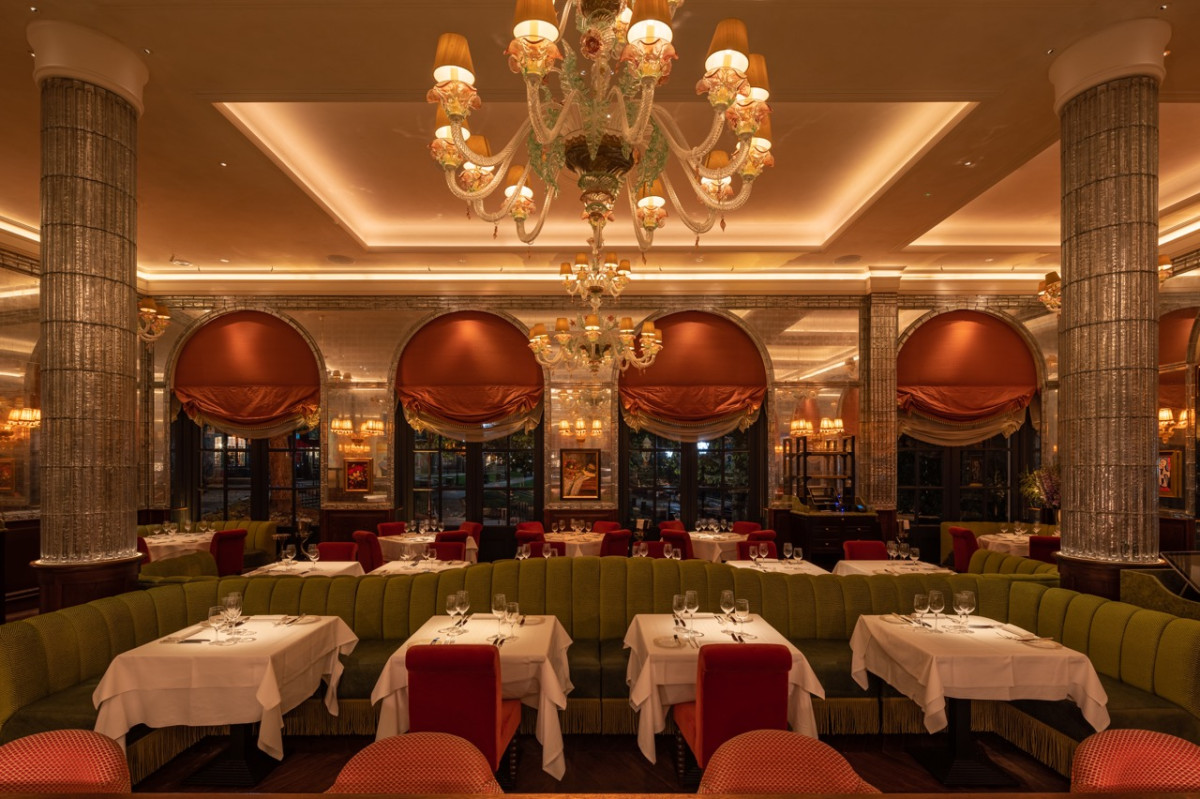
Sogni di Cristallo is a contemporary Italian success story where Venetian glass craftsmanship, digital vision and international design converge. Founded by Marco Borile, the company has transformed a centuries-old artisanal tradition into a scalable, global business, becoming a key reference in luxury lighting and bespoke glass installations worldwide.

Marco Borile
From intuition to an international brand
The story begins in the late 2000s, when Marco Borile (born in 1985), while still studying Law at the University of Padua, started selling handcrafted glass objects online. What began as a small e-commerce experiment soon revealed a larger opportunity: bringing Venetian artisanal excellence directly to an international audience, bypassing traditional distribution channels.
In 2012, together with Paolo Zito, now Chief Marketing Officer, Borile officially founded Sogni di Cristallo, structuring a multilingual e-commerce platform supported by targeted digital advertising and a clear strategic vision: to turn craftsmanship into a modern, efficient and reliable business model without compromising authenticity.
Innovating the artisan supply chain
One of the main challenges was logistical rather than creative. Traditional glass workshops were not equipped to meet the expectations of global clients in terms of delivery times, quality control and consistency. Sogni di Cristallo responded by creating a centralised warehouse, introducing strict quality control processes and custom packaging solutions.
This operational hub allowed the company to support artisan workshops not only commercially, but also administratively and organisationally. In doing so, Sogni di Cristallo effectively translated Venetian glassmaking heritage into a contemporary industrial framework, preserving manual expertise while ensuring international standards.
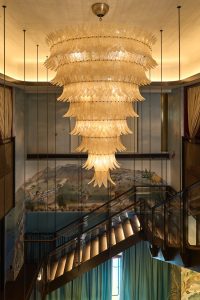
Bespoke glass for luxury interiors and hospitality
Thanks to its flexible production model and strong project management capabilities, Sogni di Cristallo quickly entered the highly selective luxury contract market. Today, the company collaborates on an ongoing basis with more than forty internationally renowned designers and architecture studios featured in the AD100 list.
Its portfolio includes some of the most exclusive projects in global hospitality and luxury interiors, such as Annabel’s Mayfair, multiple locations of the Soho House group, several Belmond properties—including the renovation of Hotel Splendido in Portofino—and the expansion of the iconic Orient Express train line.
In the United States, Sogni di Cristallo has established a long-term partnership with MGM Resorts International, contributing to a multi-year renovation plan for landmark hotels and casinos, starting with the Bellagio in Las Vegas. In these contexts, glass becomes architecture: light, structure and identity.
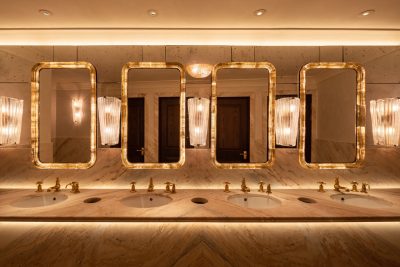
A global presence with Venetian roots
To support its growing international demand, Sogni di Cristallo has built a distributed team of designers and project managers. In 2019, the company opened a London office to provide local support for European designers, particularly during the approval phase of drawings and samples.
This successful model was replicated in 2025 with the opening of a New York office, strengthening the brand’s presence in the US market and enabling closer collaboration with American architects and interior designers.
Cast Glass: a new architectural language
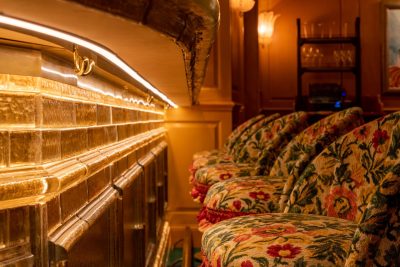
Alongside its core lighting business, Sogni di Cristallo has expanded its creative horizons with Cast Glass, a project dedicated to architectural glass elements. Launched officially in 2025, Cast Glass explores the expressive potential of cast and fused glass, introducing backlit columns, wall claddings and large-scale installations.
This new segment positions Sogni di Cristallo at the intersection of architecture, design and art, reinforcing its role as an innovator within the contemporary glass industry.
Craftsmanship as a contemporary luxury value
Today, Sogni di Cristallo represents a distinctly Italian approach to luxury: one rooted in process, material knowledge and long-term relationships rather than mass production. By connecting artisans, designers and global clients, the company demonstrates how Italian craftsmanship can evolve into a scalable, international cultural asset, without losing its identity.