In a renewed guise, “La Superba” closes the BIT tourism fair with significant success, marked by awards, anniversaries and new upcoming events.
The year 2026 opens with major announcements, and Genoa chose the three-day BIT event in Milan to unveil them. The New York Times has named it the only major Italian city among the must-visit destinations, while the portal Visit Italy has awarded it the “Luminous Destination” prize, recognizing a place capable of shining through identity and sustainability.
At the heart of the 2026 events calendar is the major exhibition “Van Dyck l’Europeo”, arriving at Palazzo Ducale from March 20 to July 19, alongside celebrations for the twentieth anniversary of the UNESCO recognition of the Palazzi dei Rolli. A key summer highlight will see Genoa host UlisseFest – Lonely Planet’s travel festival for the first time, scheduled from Friday July 10 to Sunday July 12, becoming a meeting point for travellers, bloggers, journalists and photographers.
On the sidelines of the fair, in the heart of the Biblioteca Ambrosiana, among the timeless pages of Leonardo da Vinci’s Codex Atlanticus, Genoa organized the highlight of its Milan visit, presenting to the press a new promotional strategy. Speakers included Genoa’s Councillor for Tourism Tiziana Beghin, Councillor for Culture Giacomo Montanari, Sara Armella, President of Fondazione Palazzo Ducale, and Maurizio Caviglia, Secretary General of the Genoa Chamber of Commerce. The Ambrosiana, founded by Federico Borromeo as a place of universal knowledge, provided the ideal setting for a city historically devoted to exchange, drawing energy from the world and transforming it into economic, artistic and social value. The Milan event marked the culmination of an eight-month national and international promotion strategy. The “fuori salone” format in cultural venues has already proven successful in New York at the Italian Cultural Institute, in Paris at the Senate, at Madrid’s Prado Museum and in London, where Genoa presented its offer through a major promotional campaign with Wanderlust magazine and a special event at the National Gallery.

The conference, titled “Art and Nature Perspectives,” followed by a dinner in the Foro Romano Hall curated by Michelin-starred chef Marco Visciola together with Genoese restaurant U Barba, focused on a narrative of Genoa far from clichés: a city changing in the eyes of the world, from its new Outdoor identity to the revival of Historic Shops, enhanced as living places within a commercial and human fabric that becomes an immersive experience. A city that, despite its vertical layout, has turned everyday public transport into a zero-impact discovery model without barriers; not surprisingly, Genoa has been chosen to host the next ENAT (European Network for Accessible Tourism) Convention on June 18.
Councillor Beghin emphasized how this new narrative, speaking directly to travellers’ hearts, is delivering significant results.
“Our presence at BIT Milan this year went beyond the exhibition space, evolving into a dynamic promotional strategy outside traditional formats. We believe that a destination of excellence like Genoa should not simply wait for visitors, but actively tell its story where opinions are shaped and international flows are decided. The event at the prestigious Historic Library of the Pinacoteca Ambrosiana represents this paradigm shift: we presented a city that is not only a destination, but an integrated cultural experience. The data confirms our direction: a consolidated +27.6% increase in visitors during the Christmas period and prestigious international recognitions show that we are on the right path. This is the ‘Genoa method’, based on authentic relationships and high-quality content. Our goal goes beyond promotion: we aim to transform the enchantment of discovering Genoa into structured itineraries, competitive travel packages and hospitality that truly makes people fall in love.”
Councillor Montanari highlighted the cultural identity of the Ligurian capital, starting with the Palazzi dei Rolli — the sumptuous residences used by the Republic of Genoa, in the absence of a royal palace, to host visiting dignitaries and monarchs through a lottery system.
“We want Genoa to be a City of Culture at every level: from research in synergy with the University to the protection of the humanities, up to a tourism offer that begins with the enhancement of heritage. Celebrating the twentieth anniversary of the Rolli, we aim to revive the emotion of discovery described by Flaubert, who sensed the splendour of frescoed ceilings while walking through our streets. From March 27 to 29, we will present ‘Palazzi in Luce’, a tribute to Giovanna Rotondi Terminiello, with forty owners opening their windows to illuminate decorative cycles, restoring to the city the golden gaze that enchanted nineteenth-century travellers. It will be a great participatory moment with more than 40 sites open, where 102 young science communicators will guide visitors through masterpieces and unpublished documents such as the Ceremonial Books recounting the reception of illustrious guests like Joachim Murat.”

Rolli Anniversary Events
March 27–29: “The Golden Age” – A journey into the century when Genoa was Europe’s bank. Forty-two palaces will open, including private noble floors in Via Balbi and Via Garibaldi.
October 16–18: “The Country Rolli” – A new focus on suburban villas from Sampierdarena to Pegli.
State Archives of Genoa: Exhibition “Hospitality in Genoa and the Rolli System”, featuring the famous lists and the nine Libri Cerimoniarum manuscripts (1588–1797), on view from February 5 to April 3, 2026.
Anticipation is growing for the “return” of Van Dyck to Genoa: Palazzo Ducale will present 60 masterpieces, including the artist’s first self-portrait and monumental portraits of the Spinola and Pallavicino families from institutions such as the Louvre and the Prado. The exhibition retraces the rise of an artist who defined the aesthetics of European elites starting from the privileged vantage point of Genoese palaces.
“The exhibition tells the story of a figure who took flight from Genoa,” Montanari noted. “Our city was never a capital in the strict political sense, but it was the great capital of opportunity — a place where everything became possible.”
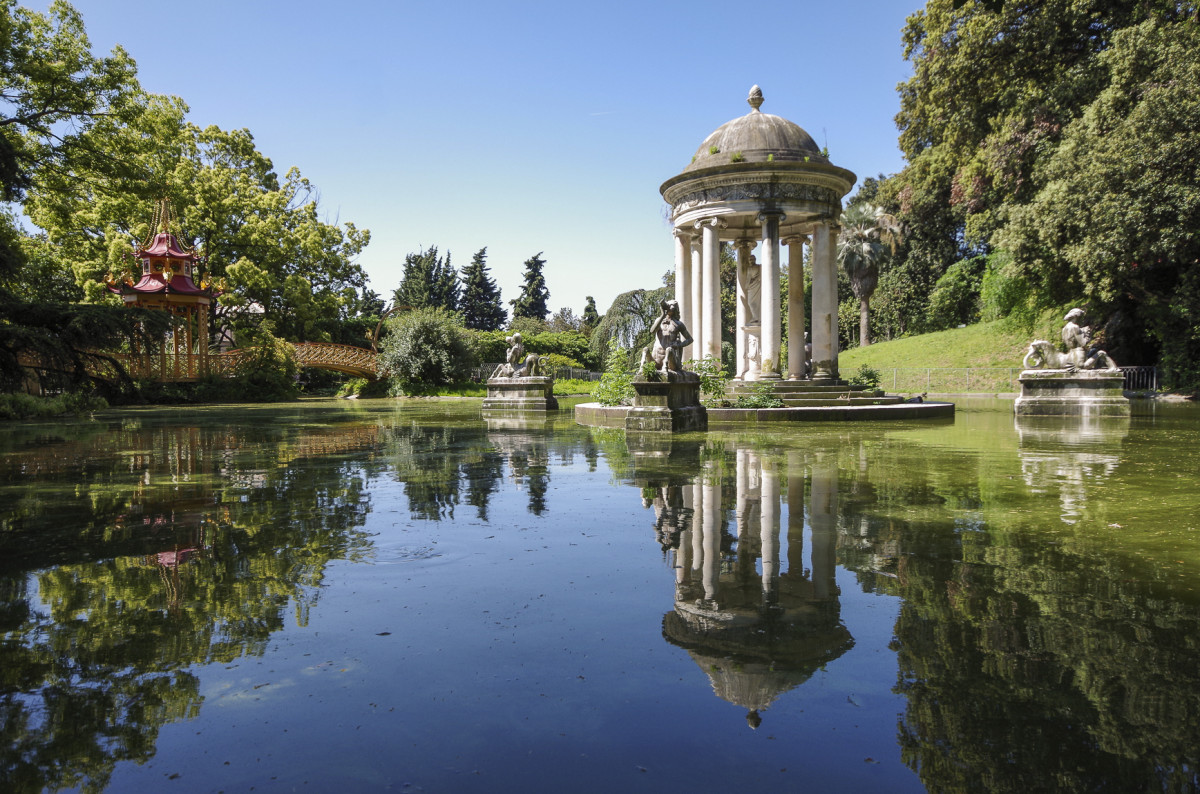
Genoa’s new “spring” also unfolds through its city parks. A visit to Parco Villa Durazzo Pallavicini, an excellence of European romantic gardens, is not to be missed: its historic camellia collection, officially recognized as one of Europe’s most important and the oldest in Italy, will be open every weekend from February 21 until the end of March.